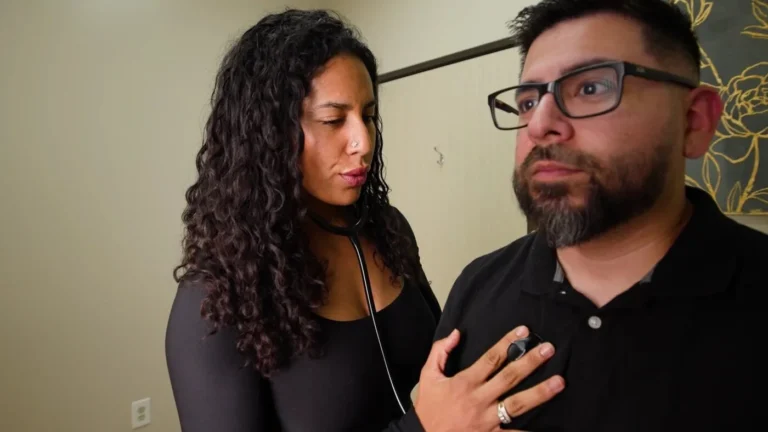

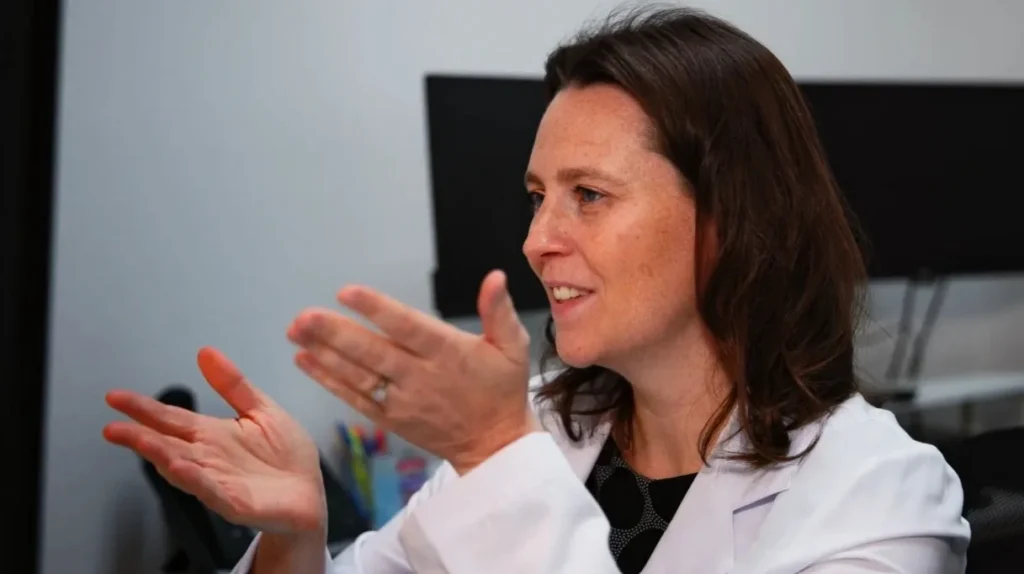
Feeling off in your body is easy to ignore at first. Subtle changes in energy, mood, weight, or sleep often get blamed on stress or a busy schedule.
But when these feelings linger, they may be signs that your hormones are out of balance.
Listening to your body early may make a difference in how you feel.
Hormonal Imbalance Is More Common Than You Think
Hormones influence nearly every system in the body. When levels shift, even slightly, symptoms can show up in ways that feel hard to explain.
Common signs of hormone imbalance include:
- Persistent fatigue or low motivation
- Weight changes that feel resistant
- Mood swings, anxiety, or low mood
- Poor sleep or frequent waking
- Low libido or reduced focus
These symptoms are not imagined, and they are not something you have to navigate alone.
Why Guessing Rarely Leads to Relief
Many people try to manage hormone-related symptoms on their own through supplements, diet changes, or sheer willpower. Those steps can help some people, but guessing can also delay finding the real cause.
Hormone replacement therapy should be guided by lab testing and medical oversight. Understanding what your body actually needs helps your provider tailor your treatment plan.
How Hormone Replacement Therapy Supports Balance
Hormone replacement therapy is designed to restore balance, not override your body. When appropriately prescribed and monitored, it may help some patients work toward:
- More consistent energy levels
- Improved mood and mental clarity
- Better sleep quality
- Healthier metabolism and weight balance
- Overall sense of well-being
Treatment plans are personalized based on symptoms, lab results, and individual goals.
Personalized Care Makes the Difference
Hormone care should never be one-size-fits-all. Levels, needs, and responses vary from person to person.
At Revive Primary Care & Med Spa, hormone replacement therapy is approached with time, education, and personalization. Providers walk patients through their symptoms, explain lab findings, and create care plans that evolve as the body responds.
Hormones Change Throughout Life
Hormone levels naturally shift at different stages, and those shifts can feel very different from one person to the next. Common times when people notice changes include:
- Perimenopause and menopause, when many women notice changes in sleep, body temperature, mood, or cycles
- Gradual age related changes in men, which can show up as lower energy, drive, or stamina
- After pregnancy, during long stretches of stress, or alongside big changes in sleep, weight, or activity
- Thyroid changes, which can affect energy, weight, and temperature tolerance in both men and women (see why thyroid symptoms are often missed)
Symptoms that overlap with hormone changes can also come from other causes, such as thyroid conditions, low iron, sleep problems, medications, or stress. That is why a careful evaluation matters before anyone assumes hormones are the reason.
What to Expect at a Hormone Consultation
A first visit is mostly a conversation. Your provider will typically:
- Ask about your symptoms, when they started, and how they affect daily life
- Review your health history, current medications, and supplements
- Talk through your goals and any concerns you have about treatment
- Order lab work when appropriate, so decisions are based on your results rather than symptoms alone
Once results are back, your provider will explain what they show in plain language and discuss whether hormone therapy, another approach, or further evaluation makes sense. Hormone therapy is not the right fit for everyone, and a good consultation includes an honest look at potential benefits, risks, and alternatives.
Questions Worth Asking Your Provider
- Which labs do you recommend for my symptoms, and why?
- Could something other than hormones explain how I feel?
- What are the possible benefits and risks of treatment for someone with my health history?
- How will my progress be monitored, and how often will we recheck labs?
- What should I do if I notice side effects or my symptoms change?
When to Seek Care Sooner
Some symptoms deserve prompt attention rather than a wait and see approach. Contact a clinician soon if you notice heavy or unusual bleeding, chest pain, severe headaches, sudden changes in vision, or symptoms that are getting worse quickly. In an emergency, call 911 or go to the nearest emergency room. If you are having thoughts of harming yourself, call or text 988 to reach the Suicide and Crisis Lifeline.
Hormone Care in DFW and Tampa
Revive has clinics in Frisco, McKinney, Highland Park, Highland Village, and Colleyville, plus a Lutz location serving North Tampa. Some follow ups and lab reviews may be possible through telemedicine. Check your nearest clinic’s page for the services offered there, or browse all of our locations.
You Don’t Have to Figure This Out Alone
Feeling off may be your body’s way of asking for support. A consultation is a chance to talk through how you have been feeling and what your options are.
Book a hormone replacement therapy consultation online with the Revive clinic nearest you, call a clinic if you have questions first, or browse all of our locations.
To learn more about related care at Revive, explore our women’s health services, men’s health services, and laboratory and diagnostic testing.
Related reading: five signs you might need hormone replacement therapy and why thyroid symptoms are often missed.
Frequently Asked Questions
What are the signs of a hormonal imbalance in women and men?
Fatigue, unexplained weight gain or weight loss, and depression or anxiety can affect anyone. Cleveland Clinic also lists heavy or irregular periods, hot flashes, acne, and vaginal dryness as possible signs in women, and erectile dysfunction, loss of muscle mass, and low interest in sex as possible signs in men.
What causes a hormonal imbalance?
Hormone levels shift naturally during puberty, pregnancy, and menopause, and stress, certain medications, and steroid use can also cause changes. According to Cleveland Clinic, more serious causes include tumors or other growths, damage to an endocrine gland, and autoimmune conditions, which is one reason symptoms that last deserve a medical evaluation.
At what age does menopause start?
The most common age to reach menopause is between 45 and 55, according to MedlinePlus. You have reached menopause when you have gone 12 months without a period. The years leading up to it, called perimenopause, can bring irregular periods, hot flashes, trouble sleeping, and mood changes.
What are the symptoms of low testosterone in men?
Low sex drive and trouble getting or keeping an erection are the most specific symptoms of low testosterone. Cleveland Clinic also lists depressed mood, more body fat, and reduced muscle strength and mass. A total testosterone blood test usually needs two separate blood samples taken in the morning, when levels should be at their highest.
How do doctors test for a hormonal imbalance?
Providers typically order blood tests to check hormone levels, since glands release hormones into the bloodstream. Cleveland Clinic notes that providers also review your medical history and symptoms and do a physical exam. Because some hormone levels vary a lot throughout the day, other tests, such as a glucose tolerance test, may be used.
What are the risks of hormone replacement therapy?
Hormone therapy for menopause may raise the risk of blood clots, heart attack, stroke, breast cancer, and gallbladder disease. MedlinePlus explains that the level of risk depends on the type of therapy, how long it is used, and your medical history and lifestyle. It is not right for everyone, so review the benefits and risks with your provider.
Can thyroid problems cause fatigue and weight changes?
Yes. Thyroid hormones affect nearly every organ and help control heart rate, weight, digestion, and mood, according to MedlinePlus. An underactive or overactive thyroid is one of several possible causes of fatigue, along with anemia, sleep disorders, depression, and certain medicines, so a provider may use thyroid tests to help find the cause.
Still have questions?
Call your clinic and our team will help you find the right visit.
This article is for general informational purposes only and is not medical advice. It does not create a patient-provider relationship. Individual results and health needs vary, so please consult a qualified clinician about your own symptoms, diagnosis, or treatment options.