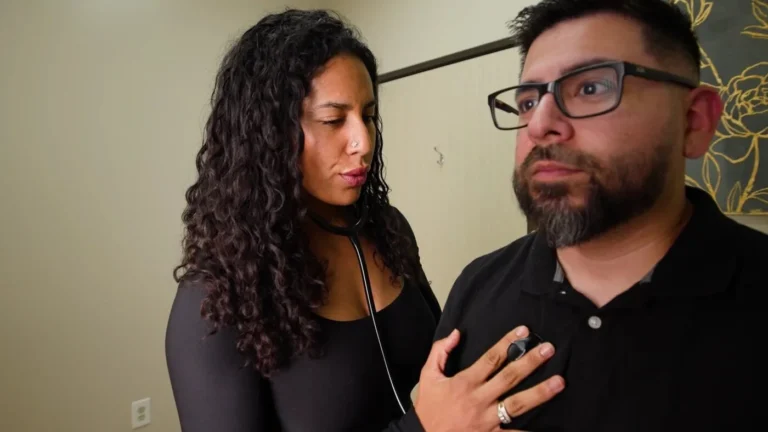

Hormones are your body’s chemical messengers. They control everything from your metabolism and mood to your sleep cycle and sexual health. When they are in a healthy range, you are more likely to feel like yourself. When they shift, even slightly, it can affect how you feel day to day.
Many residents in Frisco, TX write off their symptoms as “just getting older” or being stressed at work. However, these issues often have a cause that can be evaluated and addressed. Here are five common signs that you might benefit from Hormone Replacement Therapy (HRT) at Revive Primary Care & Med Spa.
Hormone imbalances can affect anyone, whether you are managing symptoms locally or searching for specialized hormone replacement therapy. Having your lab work evaluated is an important first step in understanding what is going on.

1. Chronic Fatigue That Sleep Doesn’t Fix
Are you waking up tired, even after a full eight hours of sleep? Do you experience severe afternoon energy crashes? A drop in thyroid hormones, testosterone, or estrogen can drain your energy, making everyday tasks feel exhausting.
2. Unexplained Weight Gain
If you are eating the same healthy diet and exercising regularly, but the number on the scale keeps creeping up, especially around your midsection, your hormones may be to blame. Hormonal changes can affect metabolism and where the body stores fat, which can make weight loss harder.
3. Severe Mood Swings, Anxiety, or Depression
Your brain relies heavily on hormones to regulate mood. Sudden drops in estrogen or testosterone can lead to unexplained irritability, increased anxiety, or feelings of depression. If you find yourself feeling unlike your usual self, it is worth getting your hormone levels checked.
4. Poor Sleep and Night Sweats
Insomnia and poor sleep quality can be signs of hormonal changes. For women, night sweats and hot flashes caused by fluctuating estrogen and progesterone are classic signs of perimenopause or menopause. Men can also experience sleep disturbances due to declining testosterone.
5. A Drop in Libido (Sex Drive)
A noticeable decrease in sexual desire or performance is one of the most common yet least talked about signs of a hormone imbalance. When hormones are part of the cause, a provider can discuss whether treatment may help, for both men and women.
How HRT Can Help
You do not have to just “live with” these symptoms. Hormone Replacement Therapy starts with testing your current hormone levels. If treatment is appropriate, your provider may recommend a tailored plan using bio-identical hormones, monitored over time. Many patients explore HRT hoping for more energy, better sleep, and an improved sense of well-being, and your provider can talk through what is realistic for you.
These Signs Can Have More Than One Cause
Each of the signs above can be related to hormones, but they can also come from thyroid conditions, iron or vitamin deficiencies, sleep apnea, stress, medications, or other health issues. That overlap is why a good evaluation looks at the whole picture rather than a single symptom. Lab testing helps separate one possibility from another, so recommendations are based on your results. If thyroid symptoms sound familiar, read about why thyroid problems are often missed.
What Happens at an HRT Evaluation
If you book a hormone replacement therapy consultation at Revive, the process generally looks like this:
- A conversation about your symptoms, health history, medications, and goals
- Lab work to check hormone levels and any related markers your provider feels are relevant
- A follow up visit to review your results in plain language and talk through your options, including whether HRT is appropriate for you
- If you start treatment, regular check ins and repeat labs so your plan can be adjusted over time
HRT is not right for everyone. Your provider will also discuss potential risks and side effects, and whether another approach makes more sense for your health history.
Questions to Ask Before Starting HRT
- Which of my symptoms are most likely related to hormones, and which might have another cause?
- What do my lab results show, and how will we track changes?
- What are the possible risks and side effects for someone with my health history?
- How often will I need follow up visits and repeat labs?
- What should I do if my symptoms change after starting treatment?
Signs That Need Prompt Attention
Hormone related symptoms usually build gradually. Do not wait for a routine appointment if you have chest pain, sudden or severe headaches, heavy or unexpected bleeding, or fainting. In an emergency, call 911 or go to the nearest emergency room. If you are having thoughts of harming yourself, call or text 988.
Hormone Care Near Frisco and Across DFW
Patients in Frisco and nearby communities can visit our Frisco clinic. Revive also has clinics in McKinney, Highland Park, Highland Village, and Colleyville, plus a Lutz location serving North Tampa. Choose the location that is most convenient for you, then book your evaluation online or call a clinic.
Get Tested at Revive Primary Care & Med Spa
If you are experiencing any of these five signs, the first step is a blood test and consultation. If something feels off, getting answers is a reasonable place to start.
If you are in the Frisco area, we are here to help. Learn more about hormone replacement therapy at Revive, then book your evaluation online or call a clinic.
To learn more about related care at Revive, explore our in-office lab testing, men’s health care, and personalized women’s health care.
Related reading: how hormones can affect the way you feel and common causes of low energy in men.
Frequently Asked Questions
What are the side effects of hormone replacement therapy?
The most common side effects of menopausal hormone therapy are irregular vaginal bleeding, breast tenderness, and mood swings, according to Cleveland Clinic. More serious risks include blood clots and stroke, and long term use may raise breast cancer risk in some people. Your provider can explain how these risks apply to your age and health history.
What does hormone replacement therapy help with?
For menopause, hormone replacement therapy is used to treat hot flashes, night sweats, vaginal dryness, and painful sex, according to Cleveland Clinic, which adds that it can improve sleep and, in some people, mood. MedlinePlus notes it may also help prevent osteoporosis. Because these symptoms can have other causes, talk with your provider about whether it fits you.
Who should not take hormone replacement therapy?
Hormone therapy may not be safe if you have had breast, ovarian, or uterine cancer, blood clots, a stroke, or a heart attack, or if you are pregnant, says Cleveland Clinic. Its risks are generally lower when it is started before age 60 or within 10 years of menopause. Share your full health history with your provider before starting.
How long can you stay on hormone replacement therapy?
Most people take hormone replacement therapy for five years or less, although there is no set length of time, according to Cleveland Clinic. MedlinePlus notes that providers may recommend the lowest dose that works for the shortest time needed. How long you stay on it depends on your symptoms, your risks, and regular check ins with your provider.
Can men get hormone replacement therapy for low testosterone?
Yes. Cleveland Clinic says nutritious food and physical activity are the first treatments for low testosterone, and other options may follow if they do not help after six to 12 months or if symptoms are severe. Forms include skin gel, injections, pellets, and nasal gel. It may not be suitable for men with prostate cancer, untreated sleep apnea, or a recent heart attack or stroke.
How are hormone levels tested?
Hormone levels are usually checked with blood tests, since hormones travel through the bloodstream, according to Cleveland Clinic. For testosterone, MedlinePlus says the blood sample is taken in the morning, between 7 and 10, when levels are typically highest. Your provider will also review your health history and symptoms and examine you.
Are bioidentical hormones safer than regular hormone therapy?
No large research studies show that they are. Cleveland Clinic says claims that compounded bioidentical hormones are safer, more effective, or more natural remain unsupported, and that compounded forms have not been tested and approved by the FDA. FDA approved bioidentical hormones have been tested for safety. Like other hormone therapy, they can raise the risk of blood clots, stroke, and gallbladder disease.
Still have questions?
Call your clinic and our team will help you find the right visit.
This article is for general informational purposes only and is not medical advice. It does not create a patient-provider relationship. Individual results and health needs vary, so please consult a qualified clinician about your own symptoms, diagnosis, or treatment options.