
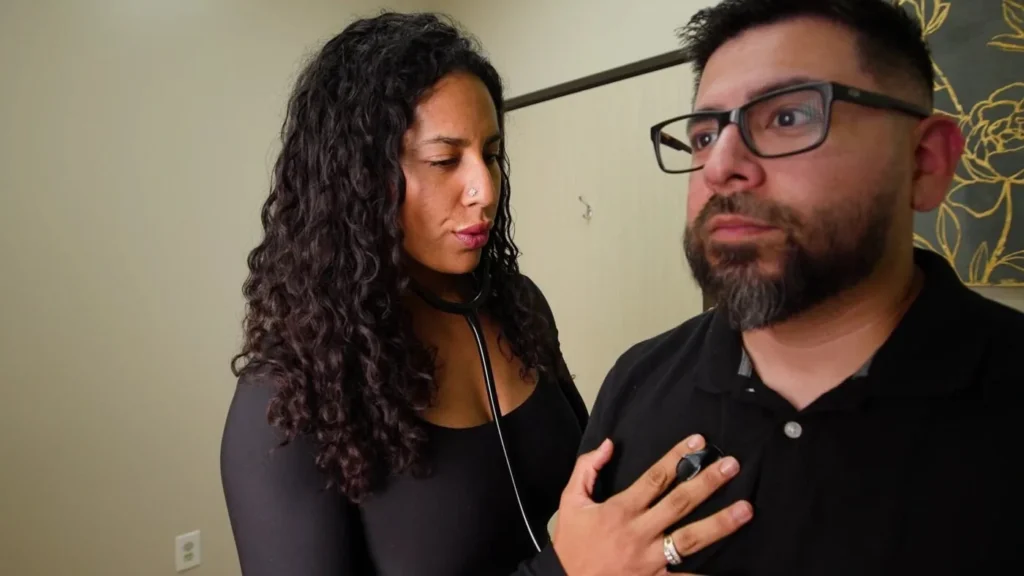
Living and working in Dallas requires a lot of drive. But what happens when you completely lose your edge? Many men brush off chronic fatigue, low energy, and a lack of motivation as simply “working too hard” or “getting older.” Low energy in men can come from many places, including sleep, stress, thyroid problems or low testosterone. While stress and poor sleep certainly play a role, there is often a hidden biological cause behind this sudden drop in vitality: Low Testosterone (Low-T).
What Causes Low Energy in Men?
Testosterone is the primary male sex hormone, but its job goes far beyond just regulating your libido. It is crucial for maintaining muscle mass, bone density, red blood cell production, and overall energy levels.
Beginning around age 30, a man’s testosterone levels naturally start to decline by about 1% to 2% each year. However, for some men, this drop happens faster or more severely, leading to a condition known as hypogonadism (Low-T).
Signs It Is More Than Just “Normal Fatigue”
How do you know if your low energy is tied to your hormones? Look out for these accompanying symptoms:
- Loss of Muscle Mass: You are working out, but getting weaker or losing muscle tone.
- Brain Fog: Difficulty concentrating, making decisions, or remembering details at work.
- Weight Gain: Especially an increase in belly fat that will not go away with diet.
- Mood Changes: Uncharacteristic irritability, anxiety, or feelings of depression.
- Decreased Libido: A noticeable drop in sexual desire or performance issues.
After your labs, your provider may also review options such as peptide therapy.
When to Get Tested
If you are consistently sleeping 7 to 8 hours a night, eating relatively well, and still dragging yourself through the day, it is time to get tested.
Getting your testosterone checked starts with a standard blood test. Once your provider reviews your labs, they can explain where your levels fall and what that means for you.

Other Common Causes of Low Energy
Low testosterone is only one possible explanation for fatigue. Before assuming hormones are to blame, a clinician may look into other common factors:
- Sleep problems, including sleep apnea, which can go unnoticed for years
- Thyroid conditions (read why thyroid symptoms are often missed)
- Low iron, low vitamin D, or other nutritional gaps
- Blood sugar changes and other metabolic issues
- Side effects of medications
- Stress, depression, or burnout
- Alcohol use, irregular schedules, or too little physical activity
Many of these can be checked through routine lab work and a thorough history, which is why testosterone testing is often part of a broader evaluation rather than a single test. A routine checkup is a good place to start that conversation.
How Testosterone Testing Works
Testosterone levels naturally change throughout the day and tend to be higher in the morning, so your clinic may ask you to schedule your blood draw earlier in the day. Your provider may also recommend repeating the test or checking related labs before drawing conclusions from a single result.
When your results are back, ask your provider to walk you through:
- Where your levels fall and what that means for you
- Whether other lab findings could explain your symptoms
- What options exist, including lifestyle changes, further testing, or treatment
- The potential benefits, risks, and monitoring involved if testosterone replacement therapy (TRT) is being considered
Everyday Habits Worth Discussing With Your Provider
Whatever your results show, the basics still matter, and they give you and your provider a clearer baseline to work from:
- Keeping a consistent sleep schedule and paying attention to snoring or waking up unrefreshed
- Staying physically active in a way that fits your health and fitness level
- Eating regular, balanced meals rather than relying on caffeine to get through the afternoon
- Limiting alcohol, especially in the evening
- Making room for stress management, whether that is time outdoors, exercise, or simply stepping away from work
These habits are not a substitute for an evaluation, but sharing them with your provider helps put your symptoms and lab results in context.
Questions to Bring to Your Visit
- Could my symptoms be related to something other than testosterone?
- Which labs are you ordering, and do I need to prepare for them?
- If my levels are low, what are my options?
- If I am planning to have children, how could treatment affect that?
- How often would we follow up, and what would we monitor?
Men’s Health Care in Dallas and Across DFW
Dallas patients can visit our Highland Park clinic at 3330 Douglas Ave, Dallas, TX 75219, and Revive also has clinics in Highland Village, Frisco, McKinney, and Colleyville, plus a Lutz location serving North Tampa. Some follow ups and lab reviews may also be possible through telemedicine.
Reclaim Your Energy Today
You do not have to guess at what is draining your energy. If testing shows low testosterone, your provider can talk with you about customized treatment options, including TRT, and whether they make sense for your goals and health history.
Ready to get answers? Book a visit online, call a clinic, or find the Revive location nearest you. You can also visit our page on men’s health care at Revive to learn more about testosterone testing and treatment at Revive Primary Care & Med Spa.
To learn more about related care at Revive, explore our hormone replacement therapy options and laboratory and diagnostic testing.
Related reading: five signs you might need hormone replacement therapy and what can sit behind persistent low energy.
Frequently Asked Questions
What causes low energy in men?
Low energy in men often has more than one cause. MedlinePlus lists anemia, depression or grief, sleep disorders, thyroid problems, persistent pain, regular alcohol or drug use, and medicines such as sedatives or antidepressants among the causes of fatigue. Low testosterone can also play a role, since Cleveland Clinic names lack of energy as a symptom.
What testosterone level is considered low?
Healthcare providers generally consider a testosterone level below 300 nanograms per deciliter (ng/dL) low in adults, according to Cleveland Clinic. A single number is not enough on its own, though. Diagnosis usually requires two separate morning blood samples, and an illness at the time of testing can temporarily lower your result.
Can low testosterone cause fatigue?
Yes, low testosterone can contribute to fatigue. Cleveland Clinic describes low libido and lack of energy as symptoms of low testosterone. Fatigue alone does not confirm it, though, because MedlinePlus lists sleep disorders, thyroid problems, anemia and depression among the causes of fatigue. A blood test and a full evaluation help sort out the cause.
Does testosterone therapy affect fertility?
It can. Cleveland Clinic lists a decrease in sperm count, leading to infertility, as a side effect of testosterone replacement therapy, and notes that repairing fertility afterward can take a long time. If you hope to have children, tell your provider before starting treatment, because other treatments, such as clomiphene citrate, are available for men who want to have children.
When should a man get his testosterone checked?
Ask about testing if low sex drive, erection problems, muscle loss or a lasting lack of energy keep coming back even with good sleep and healthy habits. MedlinePlus says the test is mostly used for symptoms of low testosterone, including low sex drive, erectile dysfunction, infertility, bone thinning, unexplained anemia and muscle loss.
What time of day should a testosterone test be done?
Testosterone is usually tested in the morning, between 7 and 10, when levels are typically highest, according to MedlinePlus. In some cases you may need to fast for several hours beforehand. Do not stop any medicine before the test unless your provider tells you to. Cleveland Clinic notes that diagnosis usually requires two separate morning blood samples.
What blood tests help find the cause of low energy in men?
Several blood tests may be used. MedlinePlus says blood tests for fatigue may check for anemia, diabetes, inflammatory diseases and possible infection. When low testosterone is suspected, a total testosterone test is the most common choice, and MedlinePlus lists luteinizing hormone (LH) and follicle stimulating hormone (FSH) tests as related hormone tests.
Still have questions?
Call your clinic and our team will help you find the right visit.
This article is for general informational purposes only and is not medical advice. It does not create a patient-provider relationship. Individual results and health needs vary, so please consult a qualified clinician about your own symptoms, diagnosis, or treatment options.