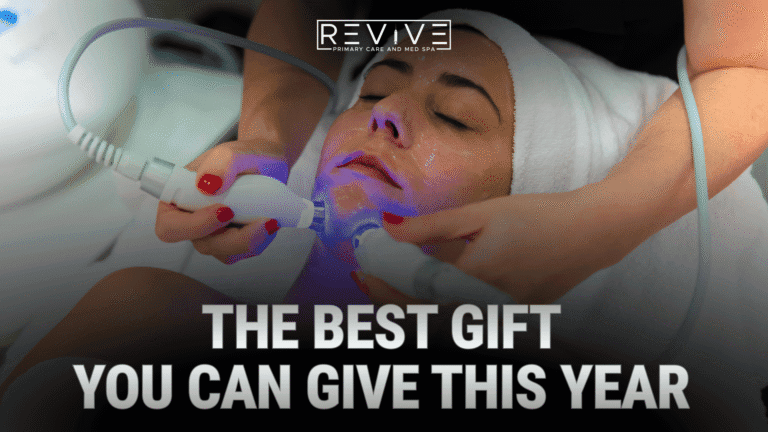
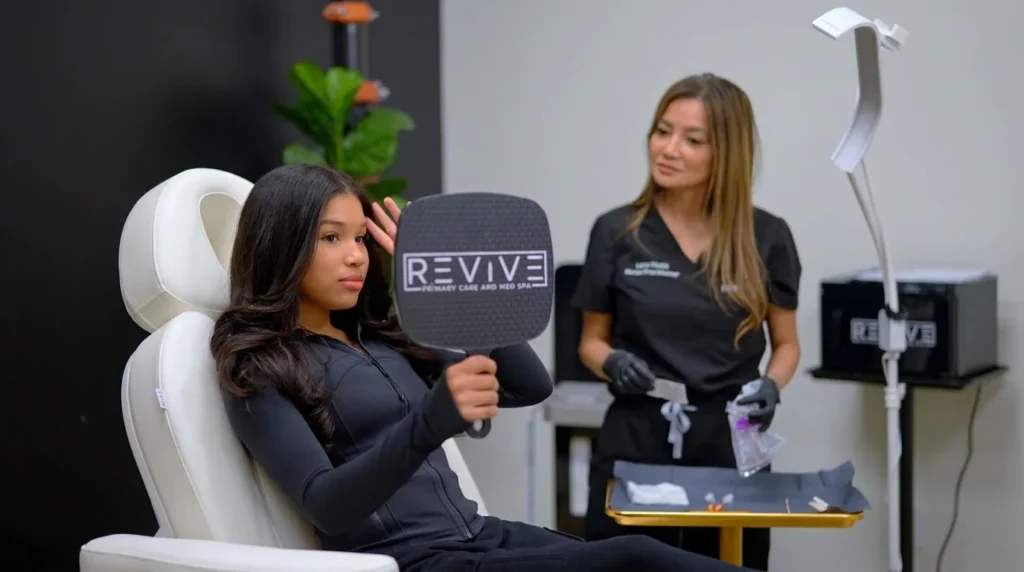
Booking your first wrinkle relaxer appointment is exciting, but it is completely normal to feel a little nervous. If you are exploring aesthetic treatments in McKinney, Texas, you likely have plenty of questions: Will it hurt? Will I look frozen? How long does it take? At Revive Primary Care & Med Spa, our goal is to make your first experience as comfortable, safe, and transparent as possible. Here is a step-by-step guide to what you can expect during your first neuromodulator visit.
1. The Consultation: Discussing Your Goals
Your appointment will not start with a needle; it starts with a conversation. Before any treatment begins, you will sit down with one of our experienced medical professionals to discuss your aesthetic goals.
We will assess your facial anatomy, evaluate how your muscles move, and talk about the specific areas you want to target, whether that is crow’s feet around the eyes, forehead lines, or the “11 lines” between your brows. This is the perfect time to ask any lingering questions. We believe in a “less is more” approach, so your results look natural, never “frozen.”
2. Preparing for the Injections
Once a customized treatment plan is created, we will prep the treatment area. Your provider will gently clean your skin to remove any makeup or oils. Some patients worry about pain, but the needles used for these injections are incredibly fine, similar in size to an acupuncture needle. Most patients describe the sensation as a quick, tiny pinch.
3. The Treatment: Quick and Easy
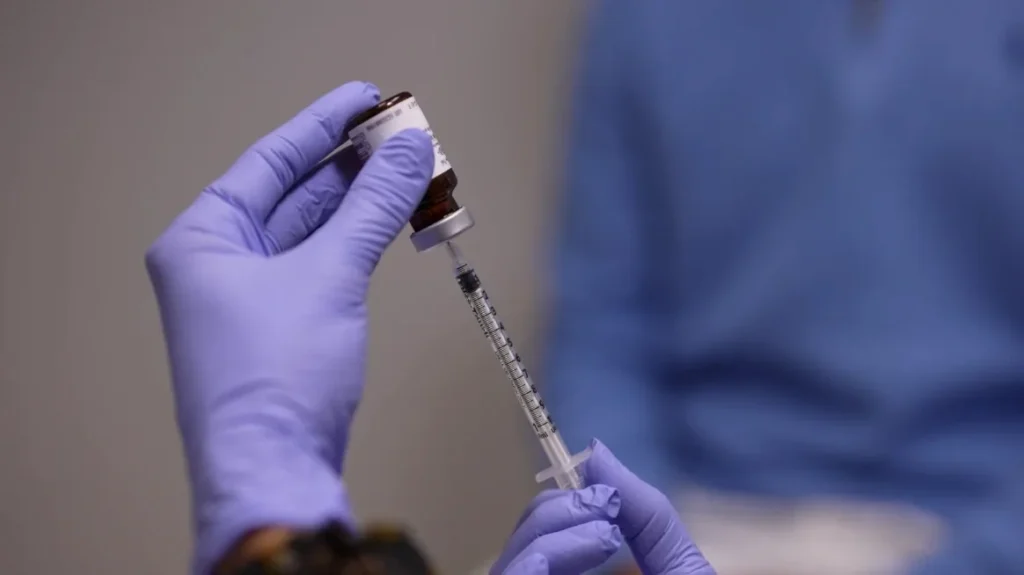
TThe actual injection process is surprisingly fast. In fact, neuromodulator treatment is often called a “lunchtime procedure.”
- Duration: The injections typically take only 10 to 15 minutes.
- The process: Your provider will ask you to make certain facial expressions, like frowning or raising your eyebrows, to pinpoint exactly where to place the product for the best results.
If you are preparing for your treatment or exploring aesthetic care beyond wrinkle relaxers in McKinney, our clinic offers a comprehensive range of skin rejuvenation treatments and injectable treatments tailored to help you maintain a natural, youthful glow.
4. Post-Care: The First 24 Hours
There is no downtime required after treatment, so you can return to your normal daily activities in McKinney right away. A few simple aftercare rules help you get the best results:
- Keep your head upright: Do not lie flat for at least 4 hours after treatment.
- Skip the gym: Avoid strenuous exercise and heavy sweating for 24 hours.
- Do not rub your face: Avoid rubbing or massaging the treated areas, as this can cause the product to spread to unwanted muscles.
5. The Results: When Will You See Them?
Patience is key! Results are not instant. You may start to notice a softening of your lines within 3 to 5 days, but it takes a full 10 to 14 days to see the final, smoothed-out results. Once the treatment has fully taken effect, you will look rested, refreshed, and youthful.
Results typically last between 3 and 4 months. As the product gradually wears off, your muscle movement will naturally return to normal.
Ready for a Refresh in McKinney?
Getting wrinkle relaxer injections for the first time should be an empowering and exciting experience. When you choose a trusted, medically supervised clinic, you can rest assured that you are in the best possible hands.
If you are ready to smooth out fine lines and boost your confidence, the team at Revive Primary Care & Med Spa is here for you. Visit our Med Spa Services page to explore all of our aesthetic offerings, or contact us today to book your consultation!
Frequently Asked Questions
How long do wrinkle relaxer injections last?
On average, results last about three to four months. Treatments are usually repeated every three to six months, and your provider can help you set a schedule that fits your goals.
What exactly is a neuromodulator?
A neuromodulator is a purified protein made from a toxin produced by the bacterium Clostridium botulinum, used in very small, controlled doses. Cosmetically, it is used to smooth wrinkles. Medically, similar products are used for conditions such as migraines, underarm sweating, and overactive bladder.
What are the side effects of wrinkle relaxer injections?
The most common side effects are pain, swelling, or bruising at the injection site. Headache, flu-like symptoms, upset stomach, and temporary drooping eyelids can also occur. Most issues are mild and improve within a day or two.
Do wrinkle relaxer injections hurt?
The injections may sting and feel a little uncomfortable, but the procedure is over quickly. Some people feel a slight pinch, and a topical numbing gel can be applied first if you are worried about pain.
How long do you have to stay upright after treatment?
Plan to stay upright and avoid lying flat for at least four hours after treatment. Avoid pressing on the treated areas and strenuous exercise, and follow any extra aftercare steps your provider gives you.
Who should not get wrinkle relaxer injections?
You should not get treatment if you are pregnant or breastfeeding. Neuromuscular disease, drooping eyelids, and weak facial muscles are also reasons to skip treatment, so share your full health history with your provider first.
How do I prepare for my appointment?
Avoid alcohol for 24 hours before treatment and give your provider a current list of every medication you take. Blood thinners and NSAIDs can increase bruising risk, so ask before stopping or changing any medicine.
What happens at a first wrinkle relaxer appointment?
Your first visit starts with a consultation about your goals and the areas you want to treat. The provider then cleans your skin and asks you to frown or raise your brows, and the injections take 10 to 15 minutes. It is an outpatient procedure, so you go home the same day.
Still have questions?
Call your clinic and our team will help you find the right visit.
This article is for general informational purposes only and is not medical advice. It does not create a patient-provider relationship. Individual results and health needs vary, so please consult a qualified clinician about your own symptoms, diagnosis, or treatment options.