You eat clean, you hit the gym, and you take care of your body. Yet, despite your best efforts, you still have those stubborn pockets of fat that just will not budge. If this sounds familiar, you are not alone.
For many Colleyville residents, the idea of traditional liposuction is unappealing due to the surgery, anesthesia, and long recovery times. This has led to a massive rise in the popularity of non-surgical body contouring. But the biggest question remains: Does it actually work?
What is Non-Surgical Body Contouring?
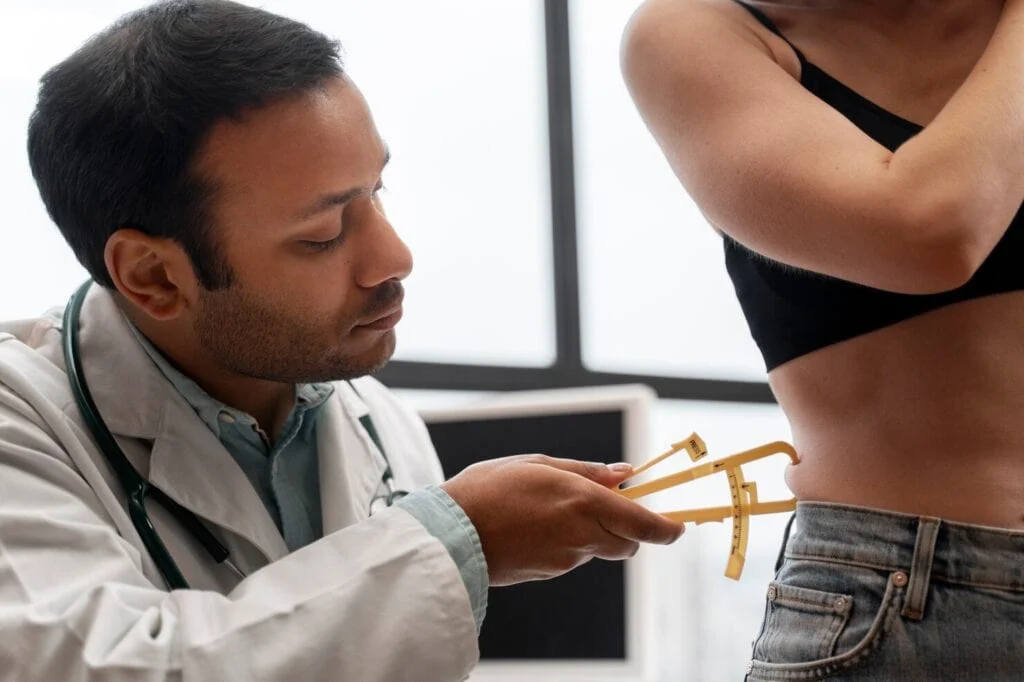
Unlike traditional surgery, non-surgical body contouring (or body sculpting) uses advanced technology to target and destroy fat cells beneath the skin without a single incision.
Depending on the specific technology used (such as radiofrequency, ultrasound, or cold therapy), the treatment heats or cools the fat cells until they are destroyed. Over the following weeks, your body’s lymphatic system naturally processes and removes these treated fat cells.
Does It Really Work?
It may, for the right goal. However, it is important to have realistic expectations.
- It is not for weight loss: Body contouring is not a substitute for diet and exercise. It is designed for people who are at or near their ideal body weight but want to target specific, stubborn areas.
- Target areas: Common areas people ask about include love handles, belly fat, the thighs, double chins, and bra bulge. Your provider can tell you whether your area is a good fit.
- Results vary: Results differ from person to person, and your provider can explain what to expect for your goals.
Along with non-surgical aesthetic treatments, achieving your ideal wellness goals often requires a balanced approach. If you are exploring local options, our medical weight loss programs in Colleyville are designed to help you work toward your weight and health goals.
The Benefits Over Surgery
Why choose the non-surgical route in Colleyville?
- Minimal Downtime: Many patients may be able to get treated on a lunch break and return to work or the gym afterward.
- No Scars: Since there are no incisions, there is no scarring.
- Comfort Varies: How a treatment feels differs from person to person, and your provider can explain what you may feel during the process.
Sculpt the Body You Want
Stop fighting a losing battle against stubborn fat. If you are curious about what body sculpting can do for your confidence, the experts at Revive Primary Care & Med Spa are ready to assess your goals.
Ready to find out if body contouring is right for you? Book a consultation online, visit our Colleyville clinic page, or call a Revive clinic. You can also explore our med spa services.
To learn more about related care at Revive, explore our body sculpting options, aesthetic skin treatments, and wrinkle treatment options.
Related reading: what to expect at your first wrinkle relaxer appointment.
Frequently Asked Questions
How long does it take to see results from body contouring?
Results usually appear gradually over weeks or months, not right away. Cleveland Clinic notes it may take a few weeks or months to see a difference after nonsurgical treatment. With fat freezing, the FDA explains that the treated fat is slowly cleared by the body, usually within two to three months, so the bulge gets smaller over time.
Are nonsurgical body contouring results permanent?
Not always. The FDA says many body contouring procedures give only a temporary improvement, and some treatments may need ongoing sessions to keep the effect. The FDA suggests asking your provider how long results are expected to last and whether you will need maintenance procedures.
What are the side effects of nonsurgical body contouring?
Common side effects include pain or discomfort, redness, swelling, bruising and small lumps you can feel under the skin, according to the FDA. Fat freezing can also cause numbness for several weeks or freeze burns. Another reported effect, called paradoxical adipose hyperplasia, makes fat grow instead of shrink and may require surgery to correct.
How many body contouring sessions do you need?
Most people need several sessions to see results, according to Cleveland Clinic, and each session takes about 30 to 60 minutes. Because devices work differently and not everyone responds the same way, the FDA recommends asking your provider how many treatments you will need before you start.
Is nonsurgical body contouring as good as liposuction?
No, surgery like liposuction usually gives more noticeable results. Cleveland Clinic explains that surgery also has more risks and a longer recovery, while most people go back to work and other activities right after a nonsurgical treatment. The FDA describes nonsurgical contouring as a way to reduce small areas of fat.
Does nonsurgical body contouring hurt?
It can cause some discomfort. The FDA lists pain or discomfort among the common effects of body contouring devices, along with redness and swelling, and Cleveland Clinic includes pain or soreness among the limited risks of nonsurgical treatment. Devices work differently, some using cold and others heat, so ask your provider what your treatment may feel like.
Who should not get nonsurgical body contouring?
People with certain health conditions should avoid some devices. The FDA says not to use radiofrequency devices if you have an active implant such as a pacemaker or metal under the skin. Fat freezing is not advised for people with cold sensitivity disorders, poor circulation in the area, or a hernia in or near the treatment area.
Is body contouring a way to lose weight?
No, body contouring is not a weight loss treatment. The FDA says it is meant to reduce small areas of fat, does not treat obesity, and will not result in weight loss. Cleveland Clinic notes it is often used on specific areas when diet and exercise are not making a difference.
Still have questions?
Call your clinic and our team will help you find the right visit.
This article is for general informational purposes only and is not medical advice. It does not create a patient-provider relationship. Individual results and health needs vary, so please consult a qualified clinician about your own symptoms, diagnosis, or treatment options.