
Thyroid disorders are common, yet frequently overlooked. Because symptoms can be subtle, confusing, or mistaken for stress or aging, many people live with imbalances for years without answers. Understanding how the thyroid affects the body is the first step toward getting clarity.
Whether the thyroid is overactive or underactive, the effects can impact nearly every system in the body.
Symptoms of an Overactive Thyroid (Hyperthyroidism)
An overactive thyroid speeds up metabolism, which can cause symptoms that feel intense or hard to control. Common signs include:
- Feeling overheated or intolerant to heat
- Unintentional weight loss without increased exercise
- Excessive sweating
- Heart palpitations or rapid heartbeat
- Anxiety or irritability that feels difficult to manage
- Hair thinning or hair loss
- Frequent bowel movements or diarrhea
Because these symptoms can mimic anxiety or stress-related conditions, thyroid involvement is often missed.
Symptoms of an Underactive Thyroid (Hypothyroidism)
An underactive thyroid slows metabolism, often leading to symptoms that feel draining or discouraging. These may include:
- Cold intolerance
- Weight gain or difficulty losing weight
- Constipation
- Dry skin
- Brittle hair and nails
- Low mood or depression
- Weakness and persistent fatigue
These symptoms are frequently dismissed as lifestyle-related, delaying proper diagnosis.
Why Thyroid Testing Needs to Be Comprehensive
Thyroid levels can fluctuate, and a single lab value does not always tell the full story. Comprehensive thyroid testing looks beyond basic markers to identify patterns and potential autoimmune involvement.
This may include testing for:
- Thyroid hormone levels
- Thyroid-stimulating hormone
- Thyroid antibodies linked to autoimmune conditions
Autoimmune thyroid conditions, such as Hashimoto’s, can present inconsistently, appearing normal one day and abnormal the next, which is why thorough evaluation matters.
Personalized Thyroid Care Makes the Difference
Treatment for thyroid conditions is never one-size-fits-all. Care depends on the type of imbalance, lab findings, symptoms, and how the body responds over time.
At Revive Primary Care & Med Spa, hypothyroidism and Hashimoto’s are managed in-office with individualized treatment plans. Care may include:
- Thyroid hormone replacement based on personal needs
- Ongoing lab monitoring
- Lifestyle and nutrition support
- Adjustments as symptoms and labs evolve
The goal is balance, not just normal lab ranges.
When to Get Your Thyroid Checked
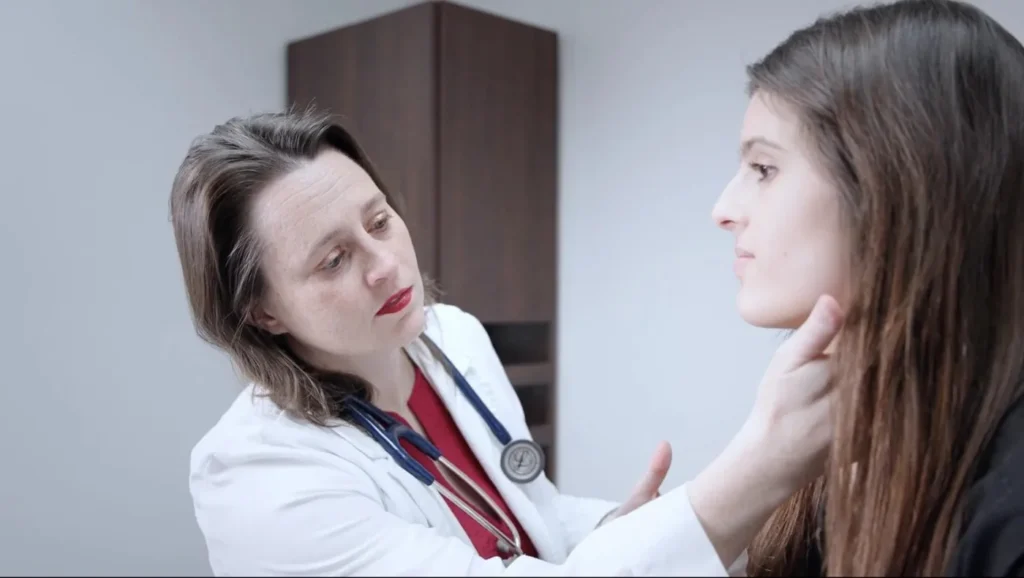
If you are experiencing unexplained changes in weight, energy, mood, digestion, or temperature tolerance, your thyroid may be involved. Talking with your provider is a good first step toward finding out.
Schedule a personalized thyroid evaluation at the Revive Primary Care & Med Spa clinic nearest you. Book online, call a clinic, or see all of our locations.
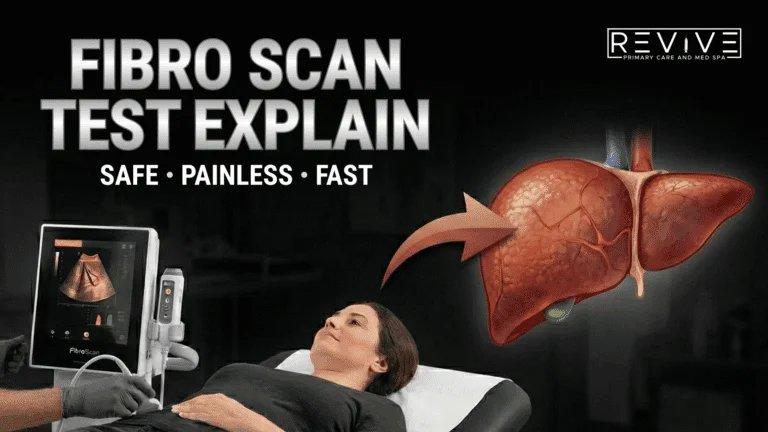
Our comprehensive Primary Care services focus on Acute Illness Care Services, IV Hydration Therapy, and FibroScan to help you maintain long-term health.
To learn more about related care at Revive, explore our in-office lab testing, medication management support, and personalized women’s health care.
Related reading: how hormones can affect the way you feel and health issues that can show up on labs before symptoms.
Frequently Asked Questions
What is the difference between an overactive and underactive thyroid?
An overactive thyroid, or hyperthyroidism, makes more thyroid hormone than your body needs, so many body functions speed up. An underactive thyroid, or hypothyroidism, does not make enough hormone, so many functions slow down. That is why one can cause trouble tolerating heat and the other trouble tolerating cold, according to the NIDDK pages on hyperthyroidism and hypothyroidism.
What blood test checks if your thyroid is working?
A TSH (thyroid stimulating hormone) blood test can help, because a level that is too high or too low may be a sign of a thyroid problem. It cannot show the cause, so if the result is not normal, your provider will probably order other thyroid blood tests, such as T4, T3, or thyroid antibodies, according to MedlinePlus.
Is Hashimoto’s disease the same as hypothyroidism?
No. Hashimoto’s disease is an autoimmune disorder that can cause hypothyroidism, and it is the most common cause of an underactive thyroid. Many people with Hashimoto’s have no symptoms at first. If it has not caused hypothyroidism yet, a doctor may simply check your symptoms and thyroid hormone levels regularly, according to the NIDDK.
Who is most likely to get thyroid problems?
Women and people older than 60 are more likely to develop both an overactive and an underactive thyroid. A family history of thyroid disease and some other health problems also raise the risk, according to the NIDDK pages on hyperthyroidism and hypothyroidism. If you are in one of these groups and notice symptoms, ask your provider about testing.
Can an overactive thyroid turn into an underactive thyroid?
Yes, it can. With some types of thyroiditis, thyroid hormone leaks out of the gland into the bloodstream and makes the thyroid overactive for a while, and then the gland may become underactive. Treatment can also cause the change, since almost everyone who gets radioiodine therapy later develops hypothyroidism, according to the NIDDK.
Can a thyroid problem be diagnosed from symptoms alone?
No. Many thyroid symptoms are the same as those of other health problems, so a diagnosis of an overactive thyroid or an underactive thyroid cannot be based on symptoms alone, according to the NIDDK. Doctors confirm it with thyroid blood tests, and sometimes imaging tests, along with your medical history and a physical exam.
How soon after starting thyroid medicine do you need another blood test?
Most people have a blood test about 6 to 8 weeks after they begin taking levothyroxine, the thyroid hormone medicine used to treat an underactive thyroid. Your dose may be adjusted based on the result, and each time the dose changes you will have another blood test, according to the NIDDK.
Still have questions?
Call your clinic and our team will help you find the right visit.
This article is for general informational purposes only and is not medical advice. It does not create a patient-provider relationship. Individual results and health needs vary, so please consult a qualified clinician about your own symptoms, diagnosis, or treatment options.