
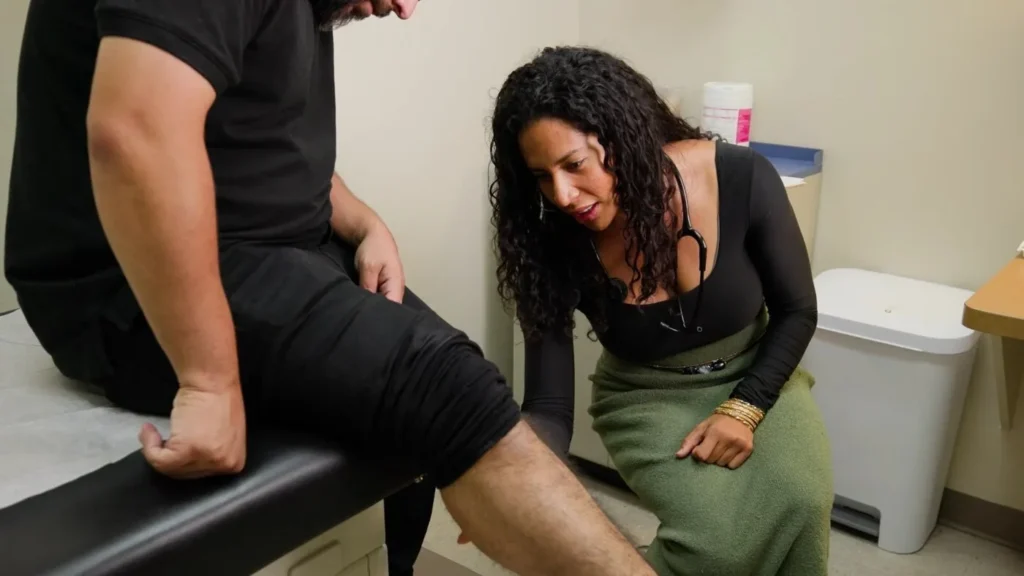
Not every injury is an emergency, but that does not mean it should be ignored. Cuts, sprains, bites, or mild burns can be uncomfortable, concerning, and disruptive to daily life. When something feels off, timely care matters, without the stress of crowded urgent care or emergency rooms.
A minor injury is one that is not life threatening, such as a small cut, a mild sprain, an insect sting or a minor burn, and most can be handled with minor injury treatment at a primary care clinic.
Minor injury care can offer a calmer way to get treated.

What Is Considered a Minor Injury?
Minor injuries are non-life-threatening but still benefit from medical evaluation and treatment. These commonly include:
- Minor cuts or scrapes
- Mild sprains or bruises
- Insect bites or stings
- Minor burns
- Skin irritation, swelling, or inflammation
- Rashes or localized reactions
These issues may not require an ER visit, but they are often too uncomfortable to manage alone.
Why Skipping Care Can Slow Healing
Trying to push through a minor injury can lead to delayed healing or complications. Without proper evaluation, even small injuries can worsen or heal incorrectly.
A visit with a provider can help with:
- Proper cleaning and treatment
- Reduced risk of infection
- Appropriate guidance for healing
- Peace of mind
What Minor Injury Care Looks Like
Minor injury visits are designed to be efficient and supportive. During your visit, a licensed provider will:
- Evaluate the injury
- Treat it safely and appropriately
- Provide clear recovery and aftercare instructions
- Let you know if follow-up is needed
If something more serious is suspected, you will be guided quickly to the appropriate next level of care.
What Is Not Treated In-Clinic
Some injuries require emergency or specialized care. These include:
- Active bleeding or deep wounds
- Suspected fractures
- Head injuries
- Severe burns
- Puncture wounds
In these cases, you will be referred so you can get appropriate treatment.
Common Cases We See Without an ER Visit
Beyond everyday injuries, a number of minor medical issues and simple procedures can be handled during an in-clinic visit. These often include:
- Suture or staple removal
- Cyst removal
- Mild burns or cuts that are not actively bleeding
- Insect bites and stings
- Skin irritation or localized swelling
- Follow-up care after a procedure done elsewhere
- Non-emergency IUD removal
These visits are focused on getting the problem looked at.
Why the ER Is Not the Best Fit for Minor Concerns
Emergency rooms are designed for serious, urgent situations. For a minor concern, an ER visit can mean a long wait, since patients with true emergencies are rightly seen first.
An in-clinic visit lets you be seen by a licensed provider in a calmer setting, with clear aftercare instructions and a plan for follow-up if you need one.
Minor Injury or Emergency? How to Decide Where to Go
A minor injury is one that is not life-threatening and is not getting rapidly worse. If an injury involves any of the warning signs listed above, such as active bleeding, a deep or puncture wound, a suspected fracture, a head injury, or a severe burn, emergency care is the right choice. If none of those apply, an in-clinic visit is usually a good place to start.
When You Are Not Sure If It Qualifies
Not every concern fits neatly into a category. If something is bothering you but you are unsure whether it needs care, a quick evaluation can help determine the best next step.
If a concern turns out to need more advanced treatment, you will be referred so you receive the right level of care. If you believe you are having a medical emergency, call 911 or go to the nearest emergency room.
How to Prepare for Your Visit
A little preparation helps your provider understand what happened and how to help. Before your appointment, it can be useful to note:
- When and how the injury or issue started
- Any changes you have noticed since, such as swelling, redness, or pain
- Medications you take and any allergies you have
- Any care you have already tried at home
Bringing this information to your visit makes the evaluation faster and helps your provider give you clear, practical aftercare guidance.
Why Patients Choose In-Clinic Injury Care
Compared to urgent care or ER visits, in-clinic minor injury care offers:
- Same-day or next-day availability
- Visits focused on your injury
- A clean, calm clinic environment
- Care from licensed medical providers
- Clear guidance without unnecessary escalation
It is care that respects both your health and your time.
Get Small Injuries Taken Care Of, The Right Way
At Revive Primary Care & Med Spa, minor injuries are treated with attention and care. Patients can be seen for a minor injury without a trip to the emergency room.
If you have a minor injury that needs attention, help is available.
You can schedule a minor injury visit online or call a clinic to ask about available times. To see every clinic, visit our locations page.
Our comprehensive Primary Care services focus on Acute Illness Care Services, IV Hydration Therapy, and FibroScan to help you maintain long-term health.
To learn more about related care at Revive, explore our in-office minor procedures and telemedicine visits.
Related reading: how telemedicine keeps your care on track.
Frequently Asked Questions
What is considered a minor injury?
A minor injury is one that is not life threatening, such as a small cut or scrape, a mild sprain, a minor burn, or an insect sting, but it can still benefit from care. MedlinePlus lists sprains and minor cuts and burns among the problems an urgent care clinic can treat when you cannot see your own provider soon enough.
Should I go to urgent care or the ER for a minor injury?
Go to urgent care or your regular provider when the injury is not life threatening, and go to the ER or call 911 for heavy bleeding, trouble breathing, or a severe allergic reaction. MedlinePlus advises calling your provider, or a nurse advice line if one is offered, when you are not sure which one fits your situation.
How do I know if a cut needs stitches?
A cut may need stitches if it is more than a quarter inch deep, is on the face, or reaches the bone, according to MedlinePlus. Contact a provider right away for any large or deep wound, a bite from a person or an animal, or a wound with something stuck in it, and do not remove the object yourself.
How can you tell if a sprain is a broken bone?
You cannot always tell at home, so get emergency care if you think a bone is broken, the joint looks out of position, the pain is severe, or you heard a pop and cannot use the joint, says MedlinePlus. Contact a provider if swelling has not started to go down within 2 days or pain lasts several weeks.
When should a burn be seen by a doctor?
Call 911 if a burn is about the size of your palm or larger, is full thickness, or was caused by chemicals or electricity. MedlinePlus considers first degree burns, and second degree burns less than 2 to 3 inches wide, to be minor, and advises contacting a provider if a minor burn still hurts after 48 hours.
Do I need a tetanus shot after a cut?
You may need one if you have not had a tetanus shot in the last 10 years, so contact a provider in that case, advises MedlinePlus. The CDC also recommends seeing a provider for deep or puncture wounds and for wounds that contain dirt, soil, or saliva, such as an animal bite.
When is a bee sting or insect bite an emergency?
A sting is an emergency when it causes trouble breathing, wheezing, swelling of the face or mouth, throat tightness, trouble swallowing, weakness, or blue skin, and you should call 911 right away. MedlinePlus also advises using the person’s emergency epinephrine kit if they carry one and staying with them until help arrives.
Still have questions?
Call your clinic and our team will help you find the right visit.
This article is for general informational purposes only and is not medical advice. It does not create a patient-provider relationship. Individual results and health needs vary, so please consult a qualified clinician about your own symptoms, diagnosis, or treatment options.