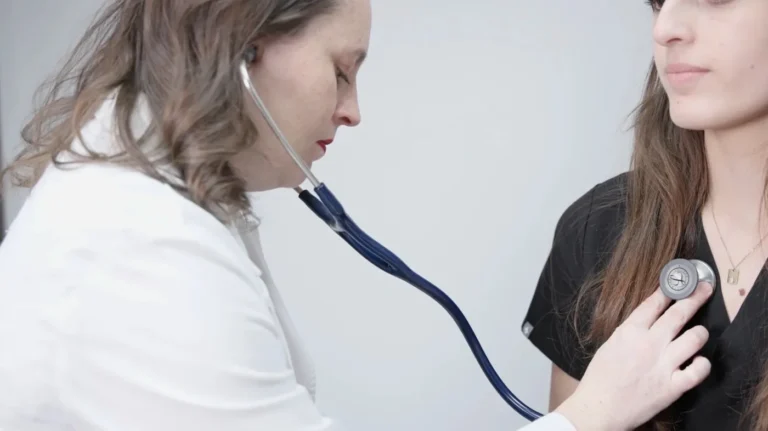


Women’s health looks different at every stage of life. Needs change with age, hormones, stress, and lifestyle, yet many women still receive rushed, standardized care that leaves questions unanswered.
At Revive Primary Care & Med Spa, women’s health is built around one core belief: care should meet you where you are.

Care That Starts With Listening
Women often delay care because appointments feel rushed or dismissive. At Revive, visits are designed to feel different.
Appointments are unrushed and focused on conversation. Providers take time to understand your symptoms, concerns, and goals, whether that means discussing birth control, irregular cycles, fatigue, or bigger hormonal shifts.
Being heard is not a bonus. It is the foundation of effective care.
Supporting Every Stage of a Woman’s Life
Women’s health is not limited to annual exams. It is ongoing, evolving care that supports real life.
Care may include support for:
- Young women starting preventive care
- Cycle irregularities or birth control management
- Fertility questions and reproductive health
- Perimenopause and menopause transitions
- Hormonal shifts affecting energy, weight, mood, or libido
Each stage requires a different approach, not a generic plan.
Why Lab Work Matters in Women’s Health
Symptoms alone do not tell the full story. Lab work allows providers to understand what is happening internally and guide care with confidence.
Lab-supported care may include:
- Hormone evaluations
- Preventive screenings
- Metabolic and thyroid testing
- Personalized treatment planning
This information helps your provider base recommendations on your own results.
What to Expect at a Women’s Health Visit
A women’s health visit at Revive goes beyond a routine checklist. Patients can expect:
- Time to talk through symptoms and concerns
- Hormone testing and therapy when appropriate
- Support for fatigue, weight changes, low libido, or mood shifts
- Preventive exams and screenings
- Referrals for imaging or next steps when needed
- Connection to wellness and aesthetic services, such as laser treatments, for whole-body care
Care is coordinated, thoughtful, and tailored to the individual.
A Non-Judgmental, Whole-Person Approach
Women’s health should feel supportive, never rushed, minimized, or uncomfortable. Patients deserve care that respects their experiences and adapts as their bodies change.
At Revive, the goal is to help women feel informed, supported, and confident in their care decisions.
Care Designed for You
If you have been putting off a checkup or are looking for a provider who truly takes the time to listen, personalized women’s health care may be a helpful next step.
Book a women’s health visit online, find the Revive clinic closest to you, or call a clinic with your questions.
To learn more about related care at Revive, explore our annual physical exams, in-office lab testing, and hormone therapy and lab-guided care.
Related reading: how hormones can affect the way you feel and the new Revive clinic in Frisco.
Frequently Asked Questions
What are the first signs of perimenopause?
The first sign of perimenopause is usually irregular periods, according to Cleveland Clinic. Cycles may get longer or shorter than usual, and bleeding may be heavier or lighter. Other common signs include hot flashes, night sweats, trouble sleeping, vaginal dryness, and mood changes. MedlinePlus notes that this transition usually begins in your 40s, though it can start earlier.
What happens at a well woman exam?
A well woman exam is a preventive checkup that may include a pelvic exam, a Pap or HPV test, and a clinical breast exam, according to MedlinePlus. It is also a time to talk about birth control, periods, menopause, vaccines, and your mental well being. Which tests you need depends on your age, overall health, and family health history.
At what age should you start getting Pap smears?
The CDC recommends starting Pap tests at age 21. From 21 to 29, a Pap test alone is the usual screening, and if your result is normal, your doctor may tell you that you can wait three years until your next one. Your provider can explain what your own results mean for your timing.
How often do you need a Pap smear after 30?
From age 30 to 65, the CDC describes three screening options. After a normal Pap test alone, you may wait three years. After a normal HPV test alone, or normal HPV and Pap tests done together, you may wait five years. After 65, your doctor may tell you that you can stop if you have had several normal results in the past 10 years and meet other conditions.
Can a blood test tell if you are in perimenopause?
Usually not. Cleveland Clinic explains that hormone tests are not needed to diagnose perimenopause because hormone levels rise and fall erratically, so a follicle stimulating hormone (FSH) test can be misleading. Instead, providers look at your symptoms, age, medical history, and a physical exam. Your provider may still order tests to rule out other conditions that can cause similar symptoms.
Do you need hormone therapy for menopause symptoms?
Not always. Whether it makes sense depends on your symptoms and health history. MedlinePlus says hormone therapy may be used to treat hot flashes and vaginal dryness and to help prevent osteoporosis, but like all medicines it has benefits and risks. When it is used, your provider may recommend the lowest dose that works for the shortest time needed.
How do I choose the right birth control?
The right birth control depends on your health, whether and when you want children, your sex life, and whether you also need protection from STIs, according to MedlinePlus. Options include barrier methods, pills, the patch, the ring, injections, implants, and IUDs. Weigh how well each method works, its side effects, and whether you can use it correctly every time.
Still have questions?
Call your clinic and our team will help you find the right visit.
This article is for general informational purposes only and is not medical advice. It does not create a patient-provider relationship. Individual results and health needs vary, so please consult a qualified clinician about your own symptoms, diagnosis, or treatment options.