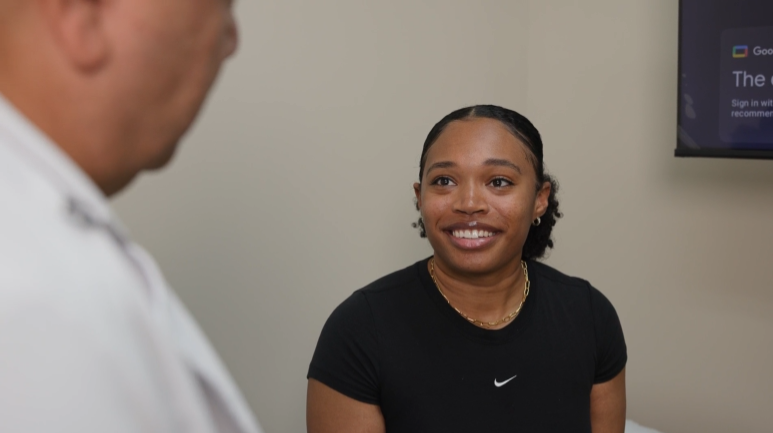
Recovering after a car accident can feel overwhelming. Pain lingers, progress feels slow, and many patients worry that invasive treatments are the only option. For Kelsey, finding care that fit her made a real difference.
Her experience highlights how personalized, non-invasive care can support healing, physically and emotionally.

Life After an Accident Isn’t Just About Pain
After her accident, Kelsey was dealing with daily discomfort and uncertainty. Like many patients in recovery, she wanted relief but also wanted to avoid invasive procedures whenever possible.
She came to Revive for deep laser therapy and decompression treatments, hoping for improvement but unsure what to expect.
Discovering a Treatment Plan That Actually Worked
What stood out quickly was consistency and attention. Kelsey received regular care focused on strengthening and healing.
With non-invasive therapies and ongoing support, Kelsey felt real progress for the first time since the accident, not just temporary relief.
That moment was emotional, marking a turning point in her recovery.
Why Feeling Comfortable Matters in Healing
Healing is not just physical. For Kelsey, feeling safe, respected, and supported also mattered.
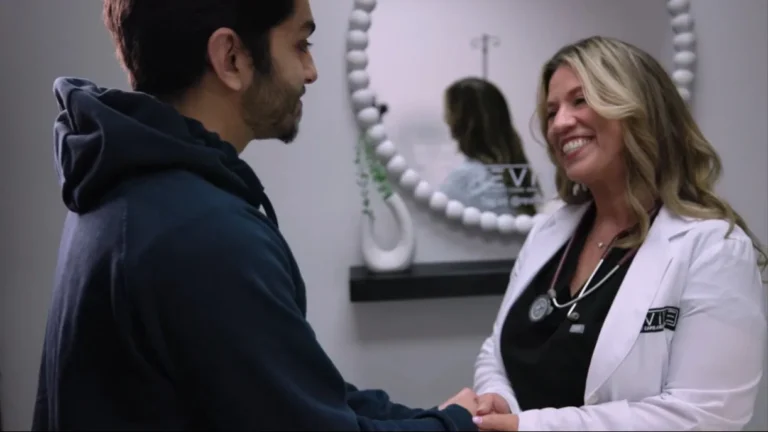
Kelsey noticed the difference right away. The staff was accommodating, attentive, and welcoming. The environment felt supportive, not rushed or transactional. She felt like a person, not a number.
That sense of trust allowed her to stay consistent with care and focus on recovery.
A Non-Invasive Approach to Getting Stronger
One of the most important parts of Kelsey’s journey was realizing that healing did not require aggressive intervention. Her plan focused on:
- Deep laser therapy
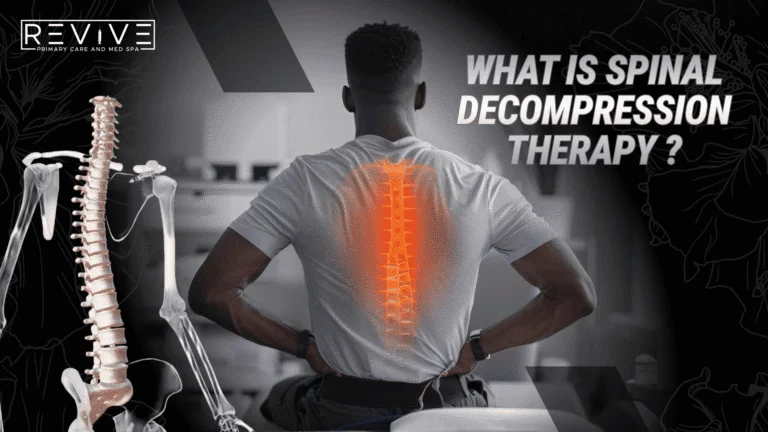
- Decompression care guided by a provider
- Flexibility in scheduling
- A long-term approach to recovery
This helped her stay consistent with treatment while feeling in control of her care.
Personalized Care Makes the Difference
At Revive Primary Care & Med Spa, care is centered around the patient experience. Providers take time, listen closely, and build plans that support healing without unnecessary intervention.
Kelsey’s story shows how much it can help when care feels personal and respectful.
Your Recovery Can Feel Different Too
If you are recovering from an accident or managing ongoing pain, non-invasive, personalized care may be the right next step.
Book a consultation for non-invasive recovery care at the Revive Primary Care & Med Spa clinic that works best for you. You can book online, call a clinic to ask which services are offered at that location, or see all Revive locations.
Our comprehensive Primary Care services focus on Acute Illness Care Services, IV Hydration Therapy, and Fibroscan to help you maintain long-term health.
To learn more about related care at Revive, explore our minor procedure services, annual physical exams, and virtual care options.
Related reading: non-surgical options for chronic back pain and migraines and how telemedicine keeps your care on track.
Frequently Asked Questions
How long does whiplash last after a car accident?
Most people with a whiplash injury, especially a minor one, recover within days or a few weeks, according to Cleveland Clinic. More severe injuries can take several weeks or even months to heal, and some people develop long term complications such as chronic pain. If your neck pain is not improving, ask your provider about a plan to manage it.
Can whiplash symptoms show up days after a car accident?
Yes. Some whiplash symptoms start right after a crash, while others take at least 12 hours to appear, and it can take a full day or even a few days for all of them to show up, says Cleveland Clinic. Watch for neck stiffness, headaches, dizziness, and numbness or tingling in the shoulders or upper arms.
How long does back pain last after a car accident?
Acute back pain can last a few days to a few weeks, and most people improve or recover within 4 to 6 weeks, according to MedlinePlus. Bed rest is not recommended. Contact your provider right away if you have back pain after a severe blow or fall, pain traveling below the knee, leg weakness or numbness, or loss of bladder or bowel control.
When should I see a doctor for neck pain after a car accident?
Contact a provider if your neck pain was caused by a fall, blow, or injury such as a car crash. MedlinePlus advises having someone call 911 if you cannot move your arm or hand, and contacting your provider for numbness, tingling, or weakness in an arm or hand, trouble walking or balancing, or symptoms that do not go away in 1 week with self care.
Should I use ice or heat for neck pain after an accident?
Start with ice, then switch to heat. MedlinePlus recommends ice for the first 48 to 72 hours and heat after that, along with slow range of motion exercises and a break from normal physical activity for the first few days. Do not fall asleep with a heating pad or ice bag in place.
Will an X-ray show whiplash?
An X-ray is not the main way whiplash is diagnosed. Whiplash is a soft tissue injury to the neck, per MedlinePlus. Cleveland Clinic explains that diagnosis starts with a physical and neurological exam, and tests such as X-rays, CT scans, or MRI help rule out other conditions and find complications.
Does laser therapy help with back pain?
It may help some people, but the evidence is limited. The National Center for Complementary and Integrative Health reports that low level laser therapy showed some benefit for low back pain in a few studies, and a physician guideline lists it as an initial option for chronic low back pain based on low quality evidence. Studies found no evidence of harmful effects.
Still have questions?
Call your clinic and our team will help you find the right visit.
This article is for general informational purposes only and is not medical advice. It does not create a patient-provider relationship. Individual results and health needs vary, so please consult a qualified clinician about your own symptoms, diagnosis, or treatment options.